
Why Does Acrylic Become Brittle? Common Mistakes You Should Avoid
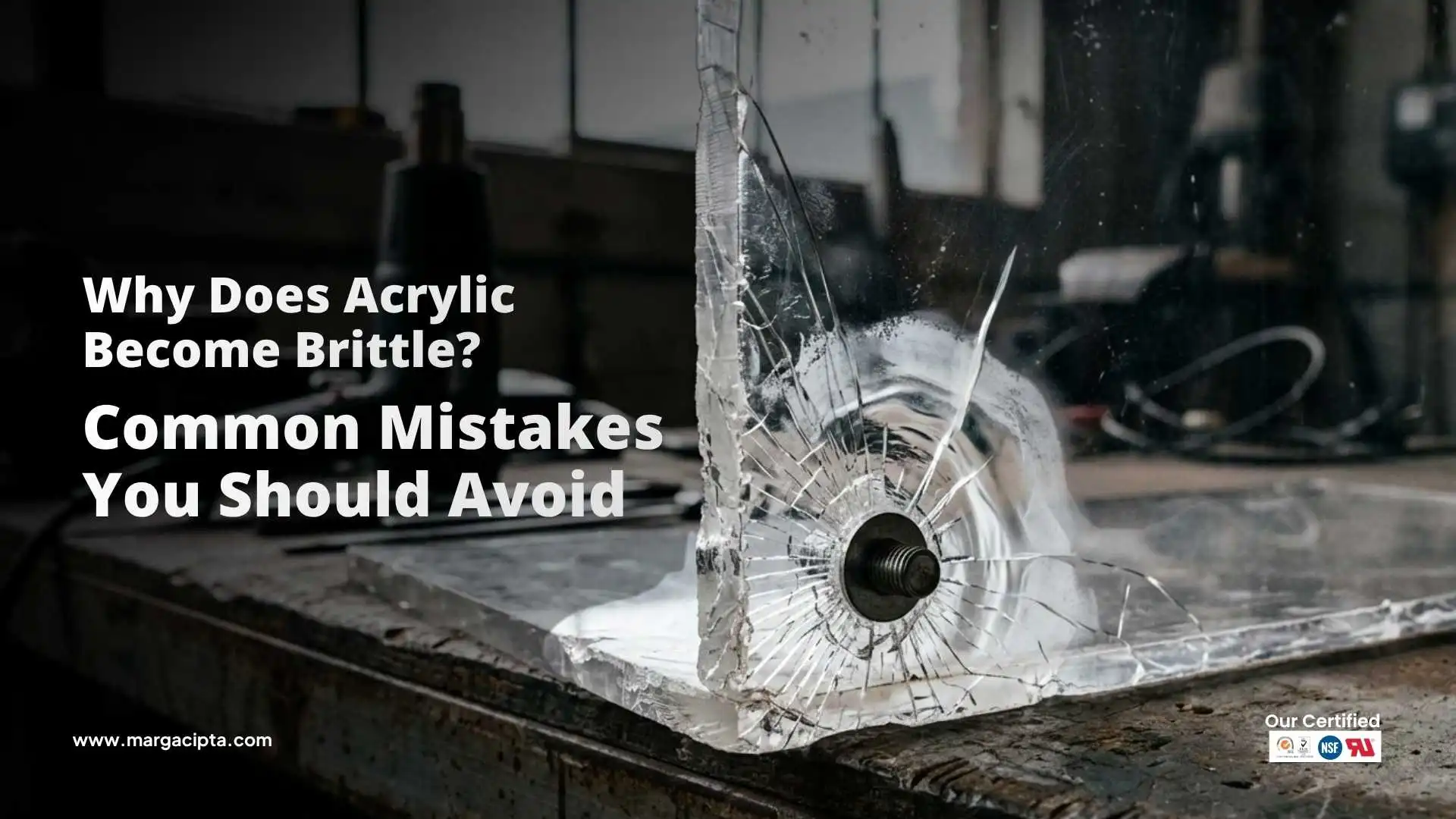
Acrylic becomes brittle due to factors such as improper cleaning, excessive heat exposure, UV damage, and poor material handling.
Over time, these conditions can weaken the structure of acrylic sheets, making them more prone to cracking or breaking.
Understanding what causes acrylic to become brittle is important for maintaining its durability and appearance.
What Causes Acrylic to Become Brittle?
Although acrylic is known for its strength and durability, it can lose flexibility if exposed to damaging conditions for extended periods.
Several common factors contribute to brittleness.
Read also: Best Acrylic Thickness for Plaque: Complete Guide for Durable Results
1. Exposure to Harsh Chemicals
One of the biggest causes of brittle acrylic is the use of aggressive cleaning chemicals.
Chemicals such as:
- Ammonia-based cleaners
- Alcohol-based liquids
- Strong solvents
can damage the acrylic surface and weaken its internal structure.
Over time, this may lead to:
- Surface cracking
- Cloudiness
- Reduced flexibility
Using acrylic-safe cleaners is essential for long-term durability.
2. Excessive Heat
High temperatures can affect the stability of acrylic sheets.
Continuous exposure to excessive heat may cause:
- Warping
- Surface stress
- Increased brittleness
Acrylic should be kept away from direct heat sources or environments with extreme temperature fluctuations.
3. UV Exposure Over Time
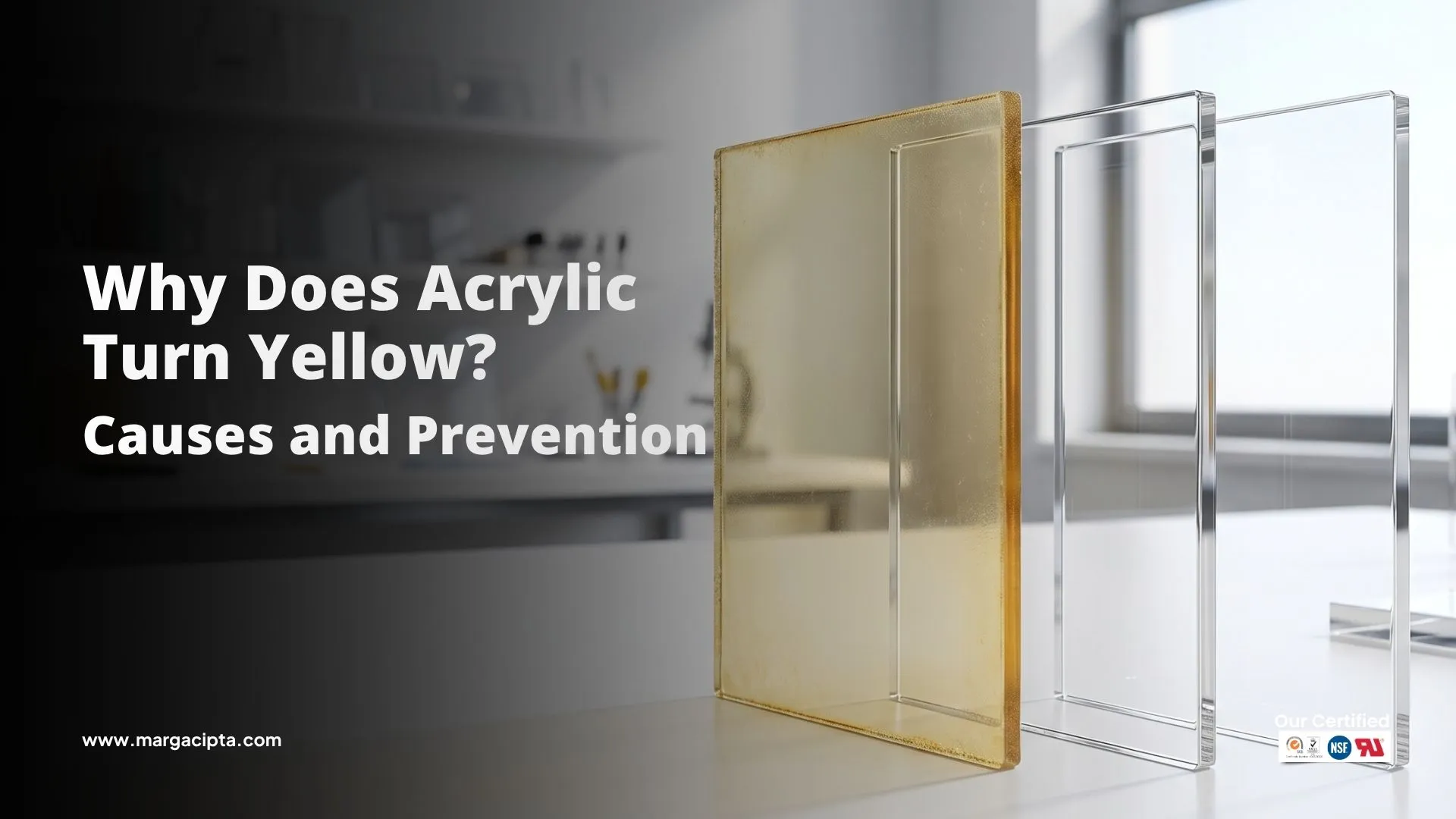
While many acrylic sheets have good UV resistance, prolonged outdoor exposure can still contribute to material aging.
Without proper UV protection, acrylic may gradually:
- Become dry and rigid
- Lose clarity
- Develop microcracks
Using high-quality UV-resistant acrylic helps minimize this issue.
4. Improper Fabrication
Incorrect fabrication methods can introduce stress into the material.
Examples include:
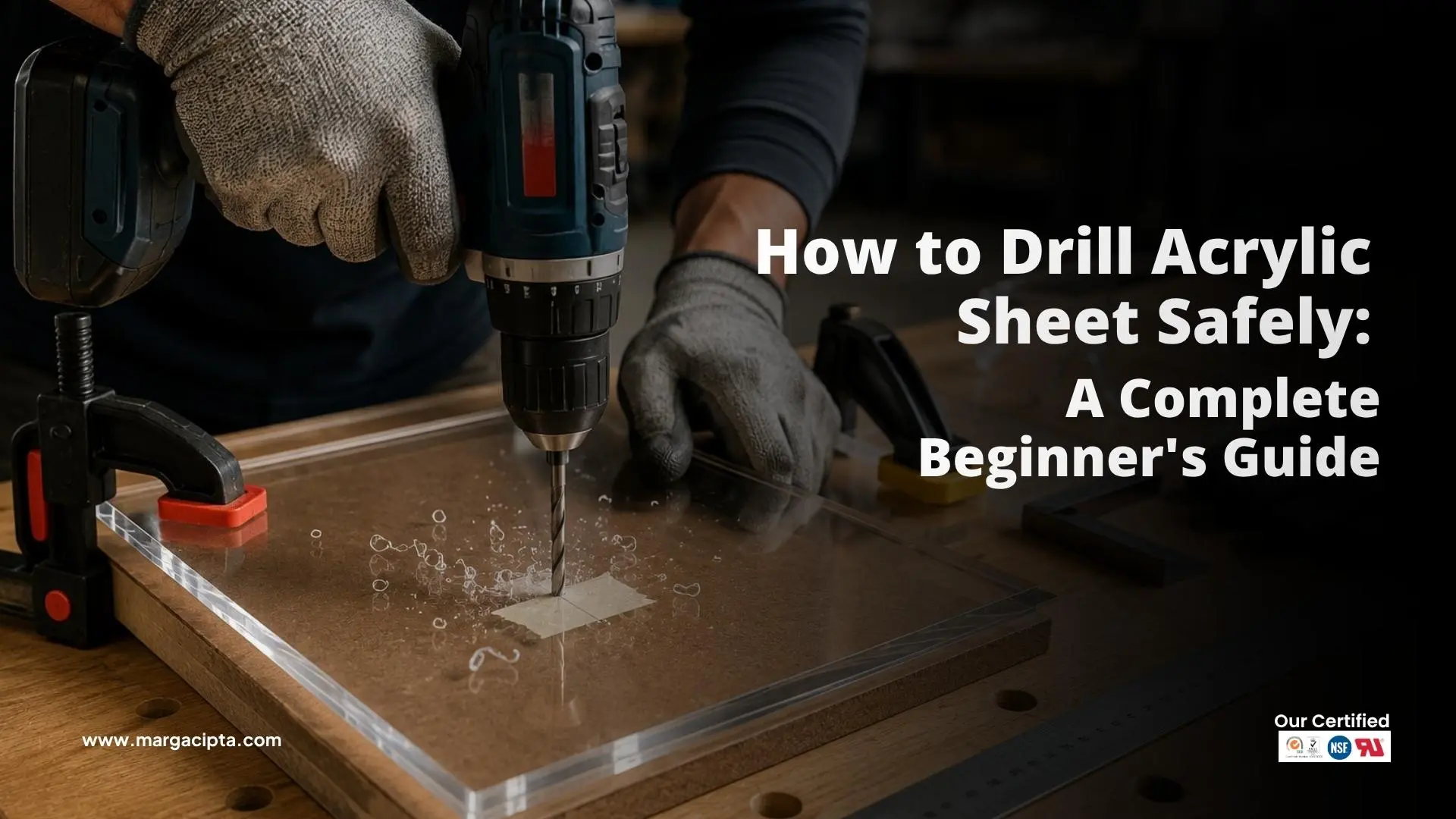
- Excessive drilling pressure
- Poor cutting techniques
- Uneven bending processes
These internal stresses may not appear immediately but can eventually cause cracks or brittleness.
Using proper fabrication equipment and high-quality acrylic sheets helps reduce the risk.
5. Poor Material Quality
Low-quality acrylic sheets are generally more susceptible to damage and brittleness.
Inferior materials may have:
- Inconsistent composition
- Lower impact resistance
- Poor durability over time
This is why choosing reliable acrylic suppliers is important for long-term performance.
How to Prevent Acrylic from Becoming Brittle
To maintain acrylic durability:
- Use mild acrylic-safe cleaners
- Avoid excessive heat exposure
- Store materials properly
- Use correct fabrication techniques
- Choose high-quality acrylic sheets
Proper maintenance significantly extends the lifespan of acrylic applications.
Why Acrylic Quality Matters
Premium acrylic sheets provide:
- Better structural stability
- Improved UV resistance
- More consistent fabrication performance
For businesses and manufacturers, high-quality materials help reduce production defects and improve long-term reliability.
Marga Cipta supplies high-quality acrylic sheets suitable for signage, fabrication, displays, and decorative applications.
Read also: Best Acrylic Thickness for Ornaments: Size Guide for Perfect Results
Conclusion
Understanding what makes acrylic brittle helps prevent unnecessary damage and extends the lifespan of acrylic materials.
Factors such as harsh chemicals, heat exposure, UV damage, and improper fabrication can weaken acrylic over time. By using proper handling methods and high-quality acrylic sheets, you can maintain durability and achieve better long-term performance.
Ready to explore our cast acrylic options? At Margacipta Wirasentosa, we offer high-quality clear cast acrylic sheets from 100% virgin MMA in various thicknesses and custom sizes to fit your needs.
Reach out to our Instagram or download our Product Catalog for more information.